Rodent control in Gresham, Oregon
Why Gresham homes get rodents — and what actually keeps them out
Rodent pressure in Gresham runs on a season. As the wet Willamette Valley fall sets in and
overnight temperatures drop, Norway rats, roof rats, and house mice move off the green
corridors — Johnson Creek, the Springwater corridor, and the butte parks — and press toward
the warmth, food, and shelter of nearby homes. By deep winter they are established in
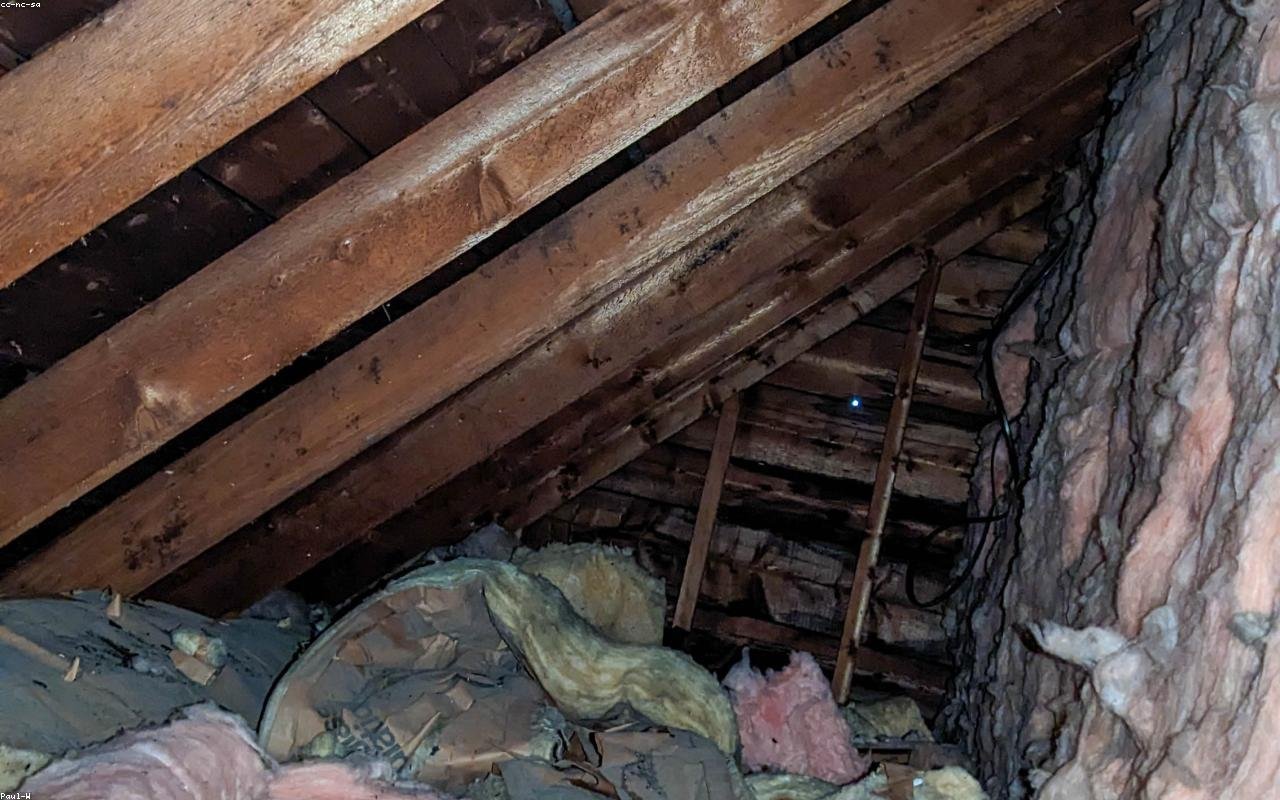
crawlspaces, wall voids, and attics. A pair of rats can become an infestation in a matter of
weeks, which is why acting at the first sign of droppings, gnawing, or overnight scratching
beats waiting for spring.
Gresham’s housing stock hands rodents an easy way in
The older homes around downtown Gresham,
Powell Valley, and
Kelly Creek are exactly the kind rodents exploit:
open crawlspaces with unscreened foundation vents, gaps around garage-door corners and
utility penetrations, cedar-shake and roofline openings that roof rats climb to, and sewer
laterals that give rats an underground route indoors. Newer builds near
Gresham Station aren’t immune either —
construction gaps and landscaping against the foundation still invite mice. A quarter-inch
opening is all a mouse needs, and rats will gnaw a small gap into a large one.
The real cost of leaving it alone
Rodents are not just a nuisance. They gnaw electrical wiring — a documented fire risk —
contaminate insulation and stored food, and leave droppings and urine that carry pathogens;
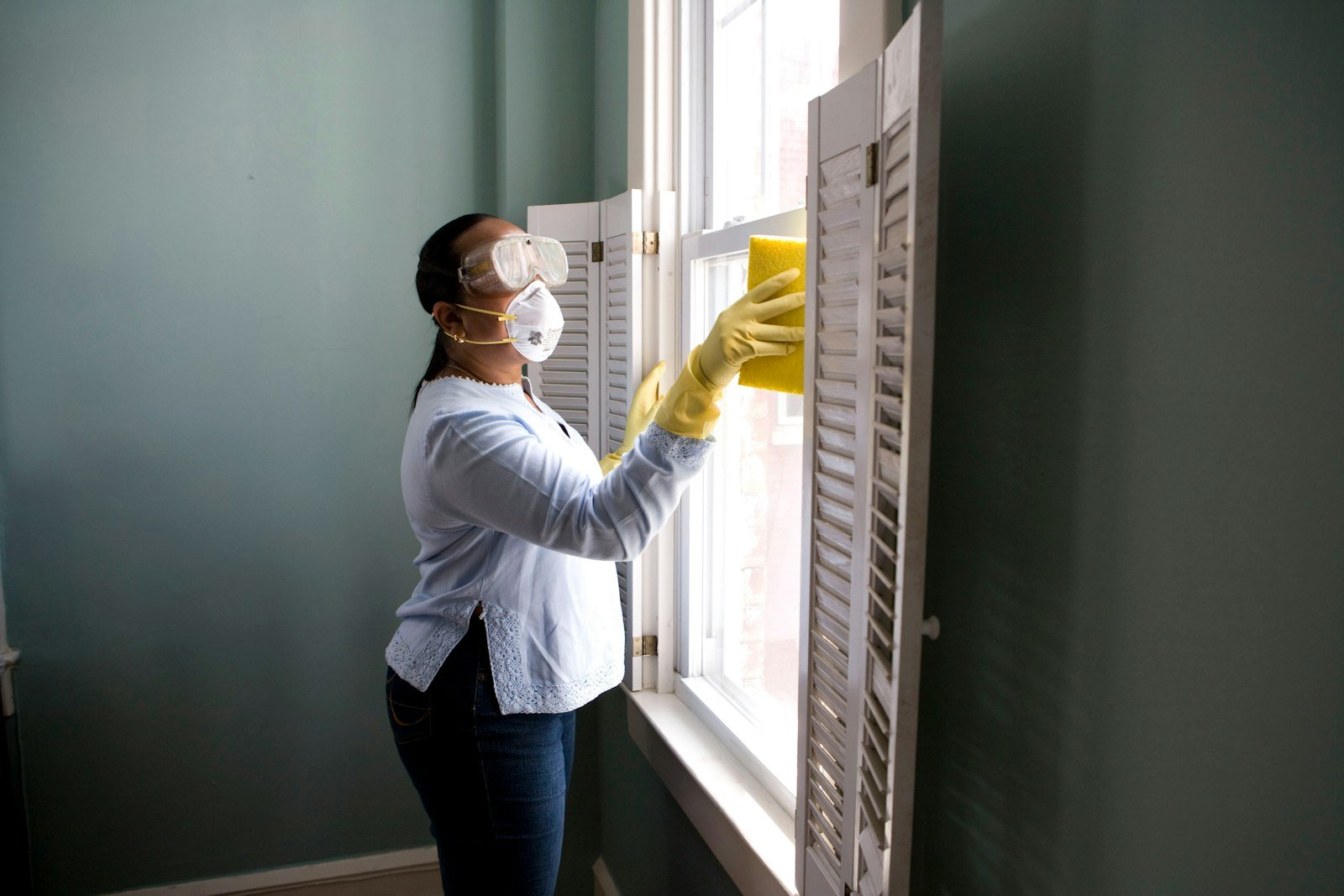
dried rodent droppings are the reason attic and crawlspace cleanup is done with proper
protection rather than a shop vac. Left unchecked, a small problem in
Northwest Gresham or near
Mt. Hood Community College becomes soiled
insulation, chewed wiring, and a lingering odor that only gets more expensive to resolve.
Why bait alone never ends it
The most common reason a rodent problem keeps coming back is that homeowners treat the
symptom instead of the entry point. Bait and a couple of traps kill the rodents that are
inside right now, but they do nothing to stop the next wave from following the same scent
trails through the same gaps. Permanent rat control and
mouse control depend on removing the active animals and then closing the openings they use —
the step known as exclusion.
How professional exclusion and sanitation solve it for good
Our approach is one method applied every time: inspect the home inside and out,
seal every gap, vent, and roofline opening with durable
rodent-proof materials rather than foam rodents chew through, trap and remove the active
population with patient multi-point placement, then sanitize and deodorize any contaminated
attic or crawlspace so leftover scent trails don’t draw the next rodent back. When a carcass
is the source of an odor, our dead-rodent removal
locates and clears it rather than masking the smell. Sealing is the single most effective
long-term step, and it is what makes results last across Gresham’s 97030 and 97080
neighborhoods. For a free phone estimate and an honest, upfront quote, call
(971) 326-9377.